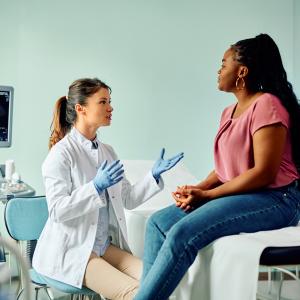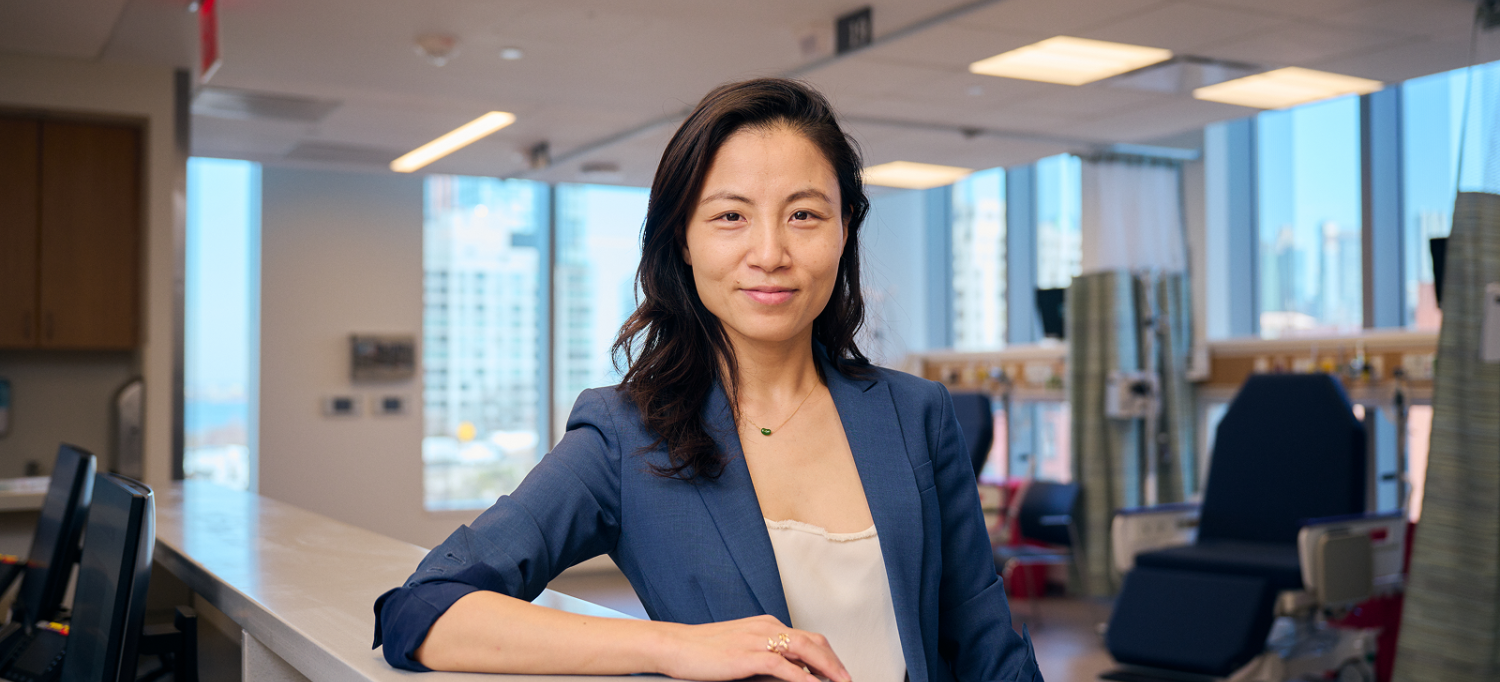
“If your doctor is not validating your pain, or is not even curious about it, then you really need to seek a second opinion,” says Kathy Huang, MD, director of the Endometriosis Center at NYU Langone Health.
Imagine experiencing debilitating pelvic pain for a decade, only to be told repeatedly that it’s just period cramps or anxiety. This is the reality for many women with endometriosis. An estimated 1 in 10 women of reproductive age have endometriosis, yet the average time from first symptoms to diagnosis is seven to 10 years. For many women, those years are spent seeing multiple doctors, receiving multiple misdiagnoses, and experiencing pain that affects work, relationships, and quality of life. And many women endure the added emotional toll of unexplained infertility.
The long diagnostic delays arise from a perfect storm of factors: Pain gets dismissed as normal, symptoms overlap with other conditions, and the disease itself often hides from standard tests. Without knowing what to look for, women may internalize their pain, wondering if they’re overreacting or somehow broken.
“The most important takeaway is that pain is not normal,” says Kathy Huang, MD, director of NYU Langone Health’s Endometriosis Center and a leading surgeon specializing in the condition. “So if your doctor is not validating your pain, or is not even curious about it, then you really need to seek a second opinion.”
Here’s what you need to know if you suspect you have endometriosis—and what to do if your symptoms have been dismissed.
Why Endometriosis Looks Like Other Conditions
One reason endometriosis takes so long to diagnose is that it mimics—and often coexists with—several other conditions.
For example, many women with endometriosis have symptoms like diarrhea, constipation, or painful bowel movements. They receive a diagnosis of irritable bowel syndrome (IBS) and are sent on their way. But endometriosis can cause these symptoms, and the two conditions often occur together. Both are inflammatory in nature, and endometriosis lesions on the bowel can directly cause IBS-like symptoms.
“You can have endometriosis and IBS,” explains Dr. Huang. “Often you get one diagnosis and don’t think about the other. But treating one but not the other means you won’t get the symptom relief you’re looking for.”
Endometriosis and uterine fibroids may also occur together. Dr. Huang’s research shows that as many as 86 percent of patients with fibroids also have endometriosis. Yet many women are treated for fibroids alone. While fibroids are benign growths in the uterus, endometriosis is tissue growing outside the uterus, and treatment approaches differ significantly.
Endometriosis can also be confused with pelvic adhesive disease, in which scar tissue forms in the pelvis. Both conditions can infertility, which may lead doctors to focus on fertility rather than investigating the underlying cause.
Beyond Pelvic Pain: Other Signs of Endometriosis
While pelvic pain, especially during periods, is the most common symptom—and the most likely to be dismissed—endometriosis can also cause symptoms such as the following.
- pain during or after intercourse
- painful urination
- nausea or vomiting, especially during menstruation
Because endometriosis involves tissue that behaves like the uterine lining, the tissue can implant and grow almost anywhere in the abdominal and pelvic cavity, and in rare instances, even beyond it. In these serious but uncommon cases, the disease can spread to the lungs, causing chest pain and breathing problems, or damage the kidneys through scar tissue buildup.
Doctors may attribute these symptoms to separate conditions rather than investigating them as potential signs of endometriosis. A woman might see a gastroenterologist for bowel symptoms, a urologist for bladder issues, and a gynecologist for period pain, with no one connecting the dots.
Tests That Can—and Can’t—Diagnose Endometriosis
Diagnosing endometriosis isn’t straightforward, and that’s another reason it can take so long. Standard pelvic ultrasounds frequently miss it. Blood tests and biomarkers show promise but aren’t yet reliable.
The only definitive endometriosis diagnosis comes from laparoscopy, a minimally invasive procedure in which a surgeon uses a small camera to look inside the pelvis for endometrial growth. The catch: It requires general anesthesia. “Doctors should have clinical suspicion before doing surgery on someone just to find out if they have the condition,” says Dr. Huang.
To address this challenge, Dr. Huang worked with radiologist Nicole M. Hindman, MD, to develop a specialized approach using MRI. The technique helps confirm whether a patient has endometriosis and map where lesions are located. And because the approach has an accuracy rate of about 80 percent, very few patients receive anesthesia unnecessarily.
If You’ve Been Dismissed: Advocating for a Diagnosis
Here’s what you can do if you suspect you have endometriosis but doctors have dismissed your concerns.
- Know that pain is not normal. Severe period pain, pain during intercourse, or chronic pelvic pain is not something you have to accept. It deserves investigation.
- Ask for imaging. Request an MRI if you’re near a center with a specialized endometriosis protocol. Don’t accept “We don't see anything” on a standard ultrasound as the final word.
- Seek a second opinion. If a physician continues to dismiss your pain, find another. Not all gynecologists are equally experienced in diagnosing endometriosis.
- Look for a multidisciplinary center. A dedicated endometriosis program with a team that includes gynecologists, radiologists, and colorectal surgeons signals true expertise. “Endometriosis is not just a gynecological problem,” explains Dr. Huang. “Ninety percent of what we address has nothing to do with gynecology alone. It involves bowel health, bladder health, mental health, and more.”
If you’ve been living with pain for years without answers, know that it’s never too late. “Even if you’ve been dealing with this for 10 years and you’ve been constantly misdiagnosed, it is still treatable,” says Dr. Huang. “You are not broken, and your pain is real. You deserve care from doctors who take it seriously.”
One Patient’s Story
Alexandria’s story is emblematic of the compassionate and comprehensive care offered by Dr. Huang and her colleagues. They not only managed Alexandria’s endometriosis treatment but also helped her build the family she’d always imagined. When the condition returned after her first pregnancy, Alexandria worked with Dr. Huang and other experts at NYU Langone’s Fertility Center to treat it by removing her ovaries, while preserving the possibility of future pregnancy through IVF. “We have to honor our patients’ wishes,” says Dr. Huang, “because they know their bodies better than we do.”