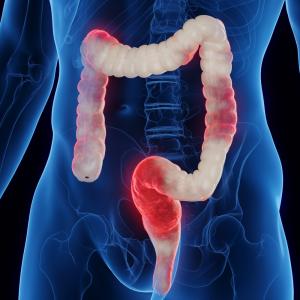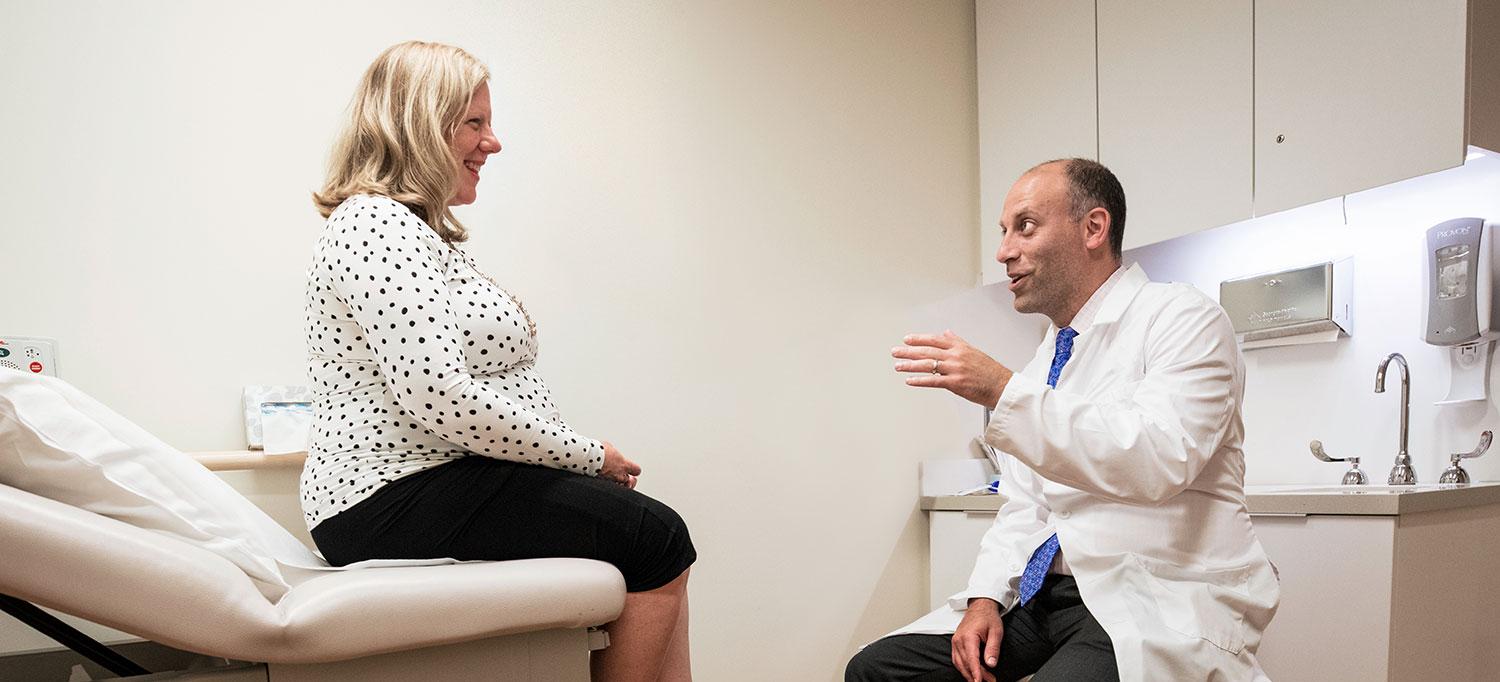
Backed by a multidisciplinary team of experts, the Inflammatory Bowel Disease Center offers personalized, compassionate care for Crohn’s disease and ulcerative colitis.
Credit: NYU Langone
Living with inflammatory bowel disease (IBD), which causes inflammation of the gastrointestinal (GI) tract, can affect nearly every part of your life. Finding a treatment approach that works for you can be challenging. But with precise, real-time imaging and advanced therapies, many people achieve remission, avoid frequent hospital visits, and get back to their lives.
Here’s what NYU Langone gastroenterologists who specialize in IBD, including Crohn’s disease and ulcerative colitis, wish you knew about managing the disease—and how a comprehensive, multidisciplinary treatment plan can help.
IBD Care Requires a Whole-Person Approach
IBD care isn’t just about treating flare-ups; it’s proactively monitoring, personalizing treatments, and supporting the patient holistically.
At NYU Langone’s Inflammatory Bowel Disease Center, our multidisciplinary team includes gastroenterologists, surgeons, and other experts who track your response to treatment and optimize your care. A psychologist can work with you if anxiety or depression are diminishing your quality of life. If certain foods trigger symptoms, a registered dietitian can provide expert guidance.
“We’re fully integrated and centered around the patient,” says David P. Hudesman, MD, the center’s director.
Innovative Testing Makes Disease Monitoring Less Invasive
Colonoscopies, MRI, and CT scans remain important tools to assess IBD disease severity and monitor response to treatment, but they are no longer the only way to understand disease activity. Increasingly, doctors are turning to ultrasound, a technology typically used in monitoring fetal development in pregnancy as well as detecting blood clots in the deep veins of the legs and evaluating the gallbladder and bile ducts.
With intestinal ultrasound, there’s no need for sedation, bowel preparation, or radiation. Your doctor slides a handheld probe, with gel, over the abdomen, creating detailed images of the colon and small intestine. Ultrasound can help detect inflammation and other IBD-related changes.
“We can place a probe on a child’s or an adult’s belly and see—in real time—whether a therapy is working,” says Michael Dolinger, MD, director of the Pediatric Inflammatory Bowel Disease Program at Hassenfeld Children’s Hospital at NYU Langone. “We are one of the few centers in the country, and the leading one at that, integrating point-of-care ultrasound directly into the clinic visit,” adds Dr. Dolinger, who is nationally recognized for his pioneering use of intestinal ultrasound.
For many patients, this can mean fewer appointments, less time spent preparing for tests and procedures, and faster treatment decisions during a regular office visit.
IBD Treatment Is More Personalized
Today, people with Crohn’s disease and ulcerative colitis have access to a wide array of infusions, injections, and oral medications. The key is to match each person to the right medicine based on their biology.
“We have moved to an era of precision medicine,” Dr. Dolinger points out. “We don’t waste time on treatments that aren’t effective.”
Our IBD Center also offers clinical trials, providing you with access to newer medications.
Where You Have Surgery Matters
Even with biologics and other modern medications, surgery remains a powerful tool in the management of Crohn’s disease and ulcerative colitis. Choosing a high-volume IBD center with experienced colorectal surgeons can mean fewer complications and better outcomes.
Our IBD surgeons provide advanced care, from minimally invasive robotic procedures to complex revision surgeries to improve outcomes from previous interventions. In addition, we offer nutritional and psychological support before and after surgery. We can shorten hospital stays and speed recovery times with our minimally invasive surgical approach and prehabilitation program. And you receive the same level of care whether you’re in Manhattan or on Long Island.
“We’re all part of the same team, constantly communicating with one another,” explains Bradley M. Morganstern, MD, medical director of the Long Island Inflammatory Bowel Disease Center at NYU Langone Ambulatory Care Lake Success. “This allows patients to access services and procedures at different locations depending on their preferences.”
Seamless Transitions from Pediatric to Adult Care Make a Difference
After teens with IBD age out of pediatric care, they can experience gaps that result in poor disease control and diminished quality of life.
Our IBD team helps young people transition to adult providers who already understand their history and goals. “We have a dedicated transition program that empowers teenagers to take ownership of their health so that when they are ready, they can successfully manage their condition independently,” says Dr. Dolinger.
Complete Healing Is the Goal
“For a long time, the goal of IBD treatment was simply symptom control,” Dr. Dolinger explains. “Today, our standard is deep remission. This means we aren’t just treating how you feel; we are treating the lining of the intestine until it heals completely and there is no inflammation.”
That’s why our specialists emphasize regular follow-up visits, even when you are well. “It’s about seeing patients frequently enough to hopefully prevent complications and symptomatic flares,” Dr. Morganstern says.
Whether you are newly diagnosed and seeking care or considering transferring your care, the Inflammatory Bowel Disease Center at NYU Langone offers a coordinated, comprehensive approach designed around you. “This is a lifelong, complex disease, so you need a center that can address everything that comes up and stay with you throughout your entire life,” says Dr. Hudesman.
To make an appointment at a Manhattan, Brooklyn, Long Island, or Westchester location, call 855-NYU-IBDC (855-698-4232).