Repeat Concussions Ended Soccer Legend Taylor Twellman’s Career. Here’s What He and a Sports Medicine Specialist Want Everyone to Know About Brain Health.
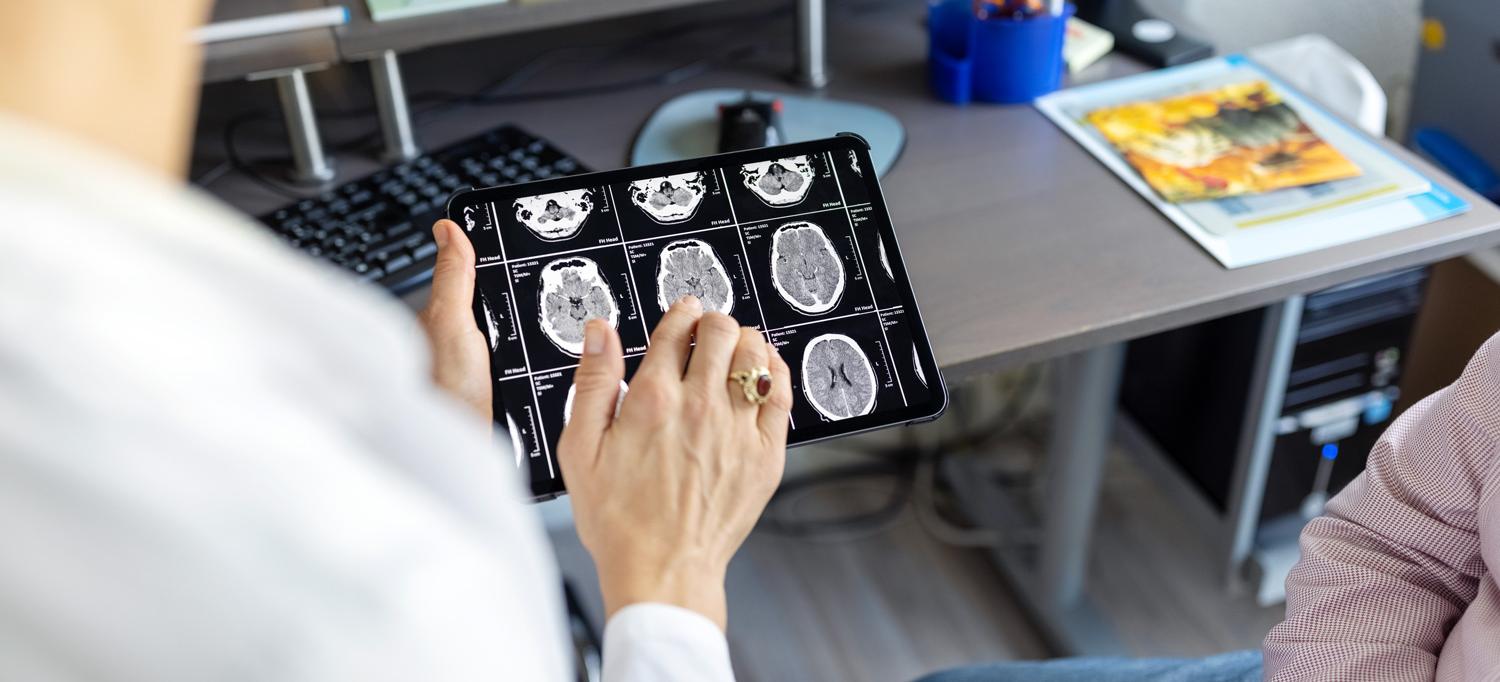
If you or someone you know has had a head impact and is experiencing any concussion symptoms, it’s important to get evaluated.
Credit: Getty / Luis Alvarez
Between 1.6 million and 3.8 million sports-related concussions occur in the United States every year. Most go unrecognized—or get waved off. That cultural attitude, said former Major League Soccer (MLS) MVP Taylor Twellman, nearly cost him everything.
Twellman was one of the most prolific scorers in American soccer history. He was also knocked unconscious by seven of his eight documented concussions. The last one, caused by a goalkeeper’s fist to the head during a 2008 match, didn’t knock him out at all. He scored a goal, celebrated, and kept playing—for eight more weeks.
“I wish somebody had pulled me off that field,” he said. “I wish somebody had said, ‘You’re done.’ But that’s not how it worked back then.”
Changing that norm is what drives him now. Twellman has channeled his experience into becoming one of the loudest voices for concussion awareness in sports, pushing FIFA and MLS to strengthen their protocols—because he knows firsthand what happens when concussion occurs but the game goes on.
Recognizing a concussion starts with knowing what to look for. Matthew Apicella, DO, a sports medicine and concussion specialist at NYU Langone Health, broke down what concussions do to the brain, how treatment has evolved, and what everyone—athlete or not—should know about protecting their brain.
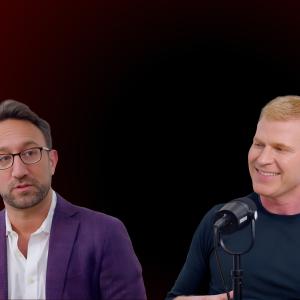
Watch Taylor Twellman, Dr. Matthew Apicella, a sports medicine specialist at NYU Langone Health, and “Men’s Health” and “Women’s Health” editorial director Richard Dorment discuss concussion symptoms, treatment, and steps everyone can take to protect their brain.
What Is a Concussion?
A concussion is a functional brain injury, not a structural change you can see. That difference is why concussions so often go undetected.
“With a concussion, your brain moves very quickly within your skull from the sheer force of impact,” said Dr. Apicella. “That causes an energy crisis, where the brain needs energy to repair itself, but the injury reduces that energy. The brain has to work harder while running on less.”
When describing concussions to patients, Dr. Apicella often uses the image of an egg that’s been shaken vigorously: “The shell stays the same, but what’s going on inside changes completely. That is basically what happens in a concussion; it’s like your yolk was shaken.”
The challenge with concussions is that they don’t show up on a CT scan or in a blood test—at least not yet. Diagnosis is clinical, based on the mechanism of injury and the symptoms that follow. On the sports sidelines, team physicians assess eye movements, balance, and the presence of red-flag symptoms. In the clinic, Dr. Apicella uses a combination of physical examination and symptom tracking to establish a diagnosis and create a recovery plan.
Symptoms of a Concussion
According to Dr. Apicella, it’s important to understand that you don’t need every symptom—or even most of them—to have a concussion. Common symptoms include a spectrum of specific and subtle signs, including these:
- Headache, the most common symptom, lasting for days or weeks
- Dizziness, or an off-balance or unsteady feeling
- Brain fog, difficulty concentrating, or feeling “not quite sharp”
- Exercise intolerance, or a worsening of symptoms with physical exertion
- Sleep disruption—sleeping far more or far less than usual
- Increased anxiety, especially in situations that wouldn’t normally cause stress
Sensitivity to bright lights, loud environments, or screens that suddenly feel overwhelming
Twellman experienced all of these and more. “One night I would sleep three hours, and the next night I'd sleep 15,” he said. “I was doing that and then playing a game. It became clear that I was in real trouble.”
Some less common, red-flag symptoms signal a more serious injury requiring emergency evaluation. These include severe or repeated vomiting, weakness on one side of the body, seizures, or loss of consciousness.
Concussion Recovery: What You Should (and Shouldn’t) Do
After his career-ending concussion, Twellman did what players were told to do at the time: Rest in a dark room and wait for several weeks. “I still haven’t been able to work out the same way since,” he said. “I believe it’s because I sat in that dark room for so long. When I came out, it was very difficult to acclimate to normal life. It took me almost seven years to be able to go to a movie.”
Modern concussion treatment looks completely different. “We now know that the old protocol—what we call cocooning, limiting the athlete from all activity—leads to worse outcomes,” explained Dr. Apicella. “Studies comparing strict bed rest versus active recovery found that the bed rest patients had longer-lasting, more-severe symptoms.”
Today, recovery starts with light rest in the first 24 to 48 hours, reducing activity, screen time, and cognitive demands. After that window, the goal shifts to gradual reintroduction of light aerobic exercise, staying below the threshold that triggers symptoms. “I tell athletes to keep exertion at a 2 or below on a 0-to-10 scale,” said Dr. Apicella. From there, activity is incrementally increased—from light aerobic exercise to sport-specific training to noncontact drills to full return to play—with each stage requiring symptom-free clearance before advancing.
Most people, especially younger athletes with no prior concussion history, recover in one to four weeks with appropriate management. But recovery is highly individual, and pushing through symptoms is one of the fastest ways to lengthen recovery.
For some, the process takes longer. Postconcussion syndrome—persistent symptoms lasting more than four weeks—can include chronic headaches, vertigo, cognitive difficulties, and sensitivity to light and noise. Twellman has lived with aspects of it for years. “I’ve had all the symptoms the doctor mentioned, and more,” he said. “I’ve had to manage vertigo and other problems and modify activity accordingly.”
One of the most dangerous scenarios: returning to play too soon. “Second impact syndrome—having another head injury while still recovering from the first—can lead to dysregulation of blood flow within the brain, causing serious swelling,” said Dr. Apicella. “If you’re having any symptoms at all, it’s still too early to return to full gameplay.”
Protecting Your Brain—in Sports and Beyond
On the field, concussion prevention starts with education, proper technique, and updated protocols—knowing the signs, speaking up when something feels off, and never returning to play while still symptomatic. Rule changes, like the US ban on heading the ball for athletes under age 11, reflect a growing recognition that protecting the developing brain requires systemic changes in sports, beyond individual awareness.
But brain health extends well beyond sports, and the same habits that protect your heart protect your brain. The American Heart Association’s Life’s Essential 8 framework—covering physical activity, sleep, nutrition, blood pressure, and glucose regulation—is a useful guide, said Dr. Apicella. “Studies have shown that these factors directly correlate to brain health. It’s an approach to enhance two systems, cardiovascular and brain health, at the same time.”
Adequate sleep, in particular, is critical. “That’s when we clean out toxins within the brain,” said Dr. Apicella.
When to See a Concussion Specialist
If you or your young athlete has sustained a head impact and is experiencing any concussion symptoms—even just one from the list—it’s worth getting evaluated.
Getting seen early matters. “If you delay treatment past 10 to 14 days, it can affect your outcome for the worse,” said Dr. Apicella. At NYU Langone’s Sports Medicine Center, concussion specialists can evaluate the injury, establish a diagnosis, and connect patients with the multidisciplinary rehabilitation that modern concussion recovery often requires—vestibular therapy, vision therapy, physical therapy, and neurology—within one center.
Looking ahead, Dr. Apicella said that additional tools in concussion diagnosis and recovery monitoring are in development. “We’ll begin to see things like blood biomarkers used in diagnosing concussions and monitoring recovery.”
For Twellman, the goal is making sure the next generation of athletes doesn’t make the same mistakes he did. “If you notice something out of the ordinary, speak up,” he said. “An injured knee can be replaced. The brain can’t.”