NYU Langone Health Experts Explain How a Connected Approach to Preventive Healthcare—From Primary Care to Nutrition and Cancer Screenings—Is Helping People Stay Healthy for Life

At NYU Langone, we work to meet patients where they are, so that preventive care is as easy as possible.
Getty / milan2099
Traditionally, people have only seen a doctor when something was wrong, but that norm is quickly shifting. Today, many experts are aligning around the idea that prevention is the best medicine, and doctors have more tools than ever to help people stay healthy before problems begin.
“Health systems like NYU Langone Health now have the infrastructure and resources to connect innovation directly to patients and to focus on prevention in a way that historically has never been done,” said Oren Cahlon, MD, a radiation oncologist who serves as executive vice president and chief clinical officer of NYU Langone. “With technology, AI, and predictive analytics, the opportunity to prevent disease has never been greater.”
But prevention involves much more than an annual primary care appointment or a single test. It requires a connected system, with primary care, specialty care, nutritional counseling, screenings, and technology working together to identify risk early and keep people well over the long term. Here’s what that looks like in practice.
Prevention Starts Before You Feel Sick
The most effective medical interventions happen long before symptoms appear—when disease risk factors can be identified, modified, and monitored. The challenge has always been building a system capable of doing that at a large scale, in a way that is accessible for every patient.
Health systems like NYU Langone are uniquely positioned to provide that kind of service. With 6,000 physicians spanning primary care, specialty care, oncology, cardiology, nutrition, behavioral health, and more—all connected through shared records and coordinated care teams—NYU Langone can identify a patient’s risk in one interaction and address that risk in another. Predictive analytics flag patients who may be at elevated risk before they’ve even noticed anything wrong. AI tools help physicians make faster, more informed decisions. And a network of more than 330 locations means that care is close to where patients live and work.
“Before you get sick, go see one of our doctors and ask, ‘What can I do to make sure I stay healthy?’” said Dr. Cahlon. “You will be amazed at the prevention tools that are available to help you.”
Watch: The State of Men’s Health: Prevention, Performance, and Living Well
Making Preventive Care Easier to Access
No prevention tool can work if people don’t use it, and access has historically been one of the biggest barriers to preventive care. Inconvenient scheduling, long waits, and difficulty coordinating across providers have kept people from engaging with the healthcare system before something goes wrong.
NYU Langone has built its preventive care model around removing those barriers. With more than 2,000 virtual visits per day and over 4 million appointments scheduled through the NYU Langone Health app, the system is designed to make it as easy as possible to stay connected with care. Same-day appointments are available across the network, and patients can choose between a neighborhood office close to home or a large multidisciplinary center where they can access dozens of specialists in a single visit.
“Without access, there is no care,” said Dr. Cahlon. “We want to meet patients where they are.”
Why Connected Care Leads to Better Prevention
The real power of an integrated health system is much more than convenience. It’s the actionable insights that emerge when various specialists share information and work together.
“You go see a doctor for one thing, and find something else that can be addressed,” said Dr. Cahlon. “Let’s say you get a mammogram that reveals calcifications. Your mammogram looks good, but the calcifications show you’re at increased risk for heart disease, so we send you to one of our preventive cardiologists.”
That kind of connection—between a cancer screening and a cardiovascular intervention—is only possible when specialists are aligned and information flows between them, turning a routine visit into a window of opportunity. And as screening technology advances, the window will open even wider.
The Future of Cancer Screening
Cancer screening is one of the most powerful tools in preventive medicine, as well as one of the most incomplete. Standard programs currently cover only four or five of the more than 200 known types of cancer.
“Over 90 percent of women diagnosed with breast cancer today will be cured,” said Dr. Cahlon. “That is because we have screening for breast cancer. For almost every other type, disease is typically discovered only once it’s symptomatic, which usually means it’s more advanced and more difficult to treat.”
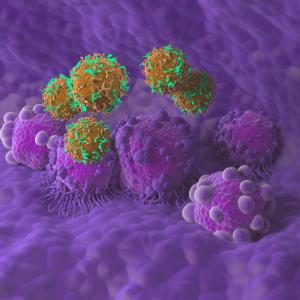
That is on the verge of changing. Blood-based screening technologies, also known as liquid biopsies, are being studied. They could detect biomarkers years before symptoms appear, helping doctors catch cancers that have historically been found only when it is too late, such as pancreatic cancer and brain tumors.
“This will be transformative,” said Dr. Cahlon. “We will go from screening for just a few cancers to saying, ‘You are at risk for, or you have, an early cancer.’ And we’re talking years before it becomes symptomatic. Any cancer at an early stage is highly curable. The key is finding it when it’s early.”
While these tests are not yet standard clinical practice, having a trusted primary care relationship in place now means being connected to these advances as they arrive.
Lifestyle Is Medicine
Preventive care isn’t only what happens in a doctor’s office. For many people, the most powerful prevention tool is eating well consistently.
“We are not very focused on prevention in this country. We like a quick fix,” said Louai Razzouk, MD, a cardiologist at NYU Langone. “But an ounce of prevention is worth a pound of cure. By focusing on healthy nutrition now, you may prevent cardiac surgery or cancer later.”
Dr. Razzouk offers three rules for building a sustainable healthy diet. First, eat a plant-forward, balanced diet that emphasizes whole grains, fruits, and vegetables and minimizes saturated fat. Second, account for your individual needs; someone with diabetes, for example, needs to think differently about carbohydrates than someone managing cholesterol. Third, and perhaps most important, choose an approach you can keep up with.
“If you try a diet that works for three or four weeks but doesn’t hold up long term, that’s not going to benefit your health,” he said. “Pick something that is feasible for your lifestyle and budget.”
Watch: Food Forward: A New Vision for Wellness
Mental Health Is Fundamental to Preventive Health
Physical health and mental health are not separate. Long-term well-being requires paying attention to both, because untreated psychological stress has well-documented downstream effects on physical health, from cardiovascular risk to immune function.
Yet mental healthcare is often viewed as a last resort rather than a first line of defense. The most effective approach, as in all preventive care, is to intervene early. Build resilience, learn to process stress, and maintain social connections before a crisis develops.
NYU Langone’s approach to mental health reflects this philosophy. At the NYU Langone Military Family Center, psychologist Victoria H. Jonas, PhD, works with veterans navigating the often-difficult transition from military service to civilian life. But the principles she applies—processing identity shifts, rebuilding community, and developing coping strategies—are relevant for anyone navigating high-pressure roles, life transitions, grief, or chronic stress. Mental health support is preventive care, and it belongs in the same integrated approach as a physical exam, a cancer screening, or a nutritional consultation.
“We are working to destigmatize mental healthcare for people across the human experience,” said Dr. Jonas. “It’s so important to make this type of treatment and care routine—something we can talk about and that people can access.”
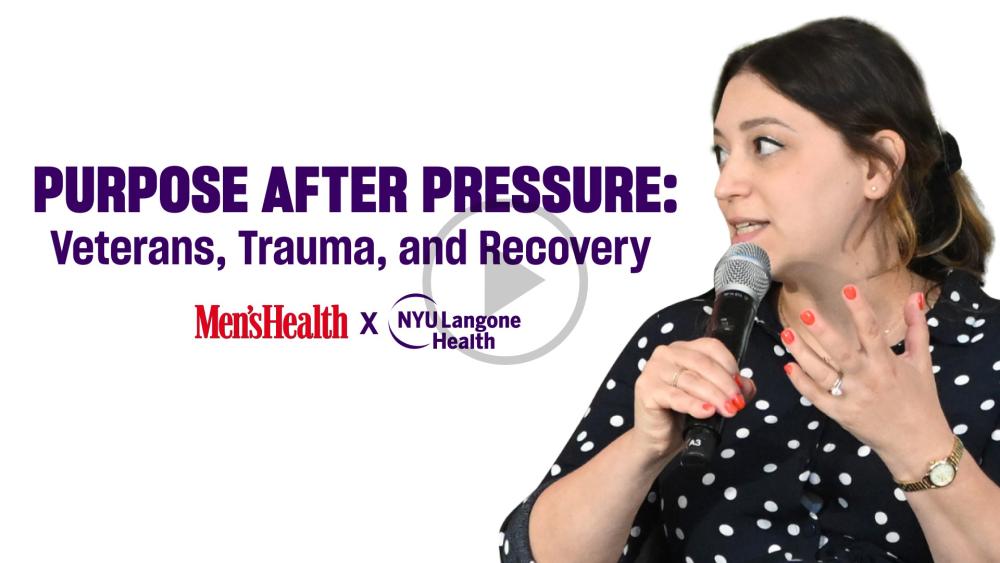
Watch: Purpose After Pressure: Veterans, Trauma, and Recovery
Where to Start
Living longer isn’t about one appointment or breakthrough. It’s about making prevention easier, earlier, and more connected—throughout life. And preventive care works best when, rather than being a collection of isolated services, each piece supports the bigger picture of health.
At NYU Langone, primary care is coordinated with preventive cardiology, cancer screening, nutrition counseling, and behavioral health, and all are connected through shared records. Same-day appointments and virtual visits mean accessing care doesn’t require rearranging your life. It has locations across the New York region, from neighborhood offices to large multidisciplinary centers where patients can see dozens of specialists in a single visit. And the MyChart app puts scheduling, records, and communication with your care team in the palm of your hand.
“The most important takeaway is to engage with a trusted primary care doctor within an integrated system like NYU Langone before you get sick,” said Dr. Cahlon. “Ask what you can do to stay healthy, starting today.”